Sunday, March 30, 2014

IIFYM...What's That?

Being a nutrition student, I have to say I've tried quite a few 'lifestyles' (not saying diet, because I don't cut calories per se).  Paleo, Whole30, clean eating, raw vegan, and now...IIFYM :) I think this is a game changer. The acronym stands for 'if it fits your macros,' and is based off of Dr. Layne Norton's theory that keeping track of your macronutrients can help with weight loss, muscle gain, etc. To many, I sound obsessed, and I'm sorry. I'm not trying to achieve a perfect body by any means, but I'm really striving to get in better shape and find a dietary lifestyle that suits me. I already know that I should be fueling my body with nutrient rich foods such as veggies, fruits, lean protein and some grains. However, when I try to 'clean up' my diet by cutting out those processed foods I love so much (hellooooo donuts and cookies), I find myself binging. So...iifym is now in full force.

From what I have read, there is a common misconception that iifym'ers eat a lot of junk. Not true. The lovely ladies that I have spoken with (there's a great FB group) are trainers, nutritionists, and athletes. They know that you should fill your body with nutrient rich foods, buttttt....if you have hit your macros for the day (protein, carbs and fat) and you still have some left, it is perfectly acceptable to allow yourself a treat of a cookie, ice cream or whatever, as long as it fits your macros. For instance, last night after dinner I still had 10g fat, 20g protein and 8g carbs left, so I allowed myself Greek yogurt with stevia and peanut butter to fill my macros. And I have to say, for once I didn't go overboard and I felt I had satisfied my horrible sweet tooth.

IIFYM is not just for bodybuilders. It works for people with eating disorders (if you've been eating too little, or binge on foods because of limitations, etc), those that are trying to achieve a healthier lifestyle, and more. Although it's pretty simple to follow, it does require a bit of dedication. First you need to figure out your calories/macros at iifym.com, then you need to start measuring your food and logging it into myfitnesspal so that you can keep track. Your goal each day is to be +/- 5g of each macro AND be on point with your micronutrients (vitamins, minerals, etc).

I will give this lifestyle a go for a while and get back to you all. I'd be happy to answer questions or send along some great websites with more information. For now, it's time to grill some steak and veggies, eat a salad, and if all goes well...a cookie ;)



Monday, March 17, 2014

Truth About Carbs

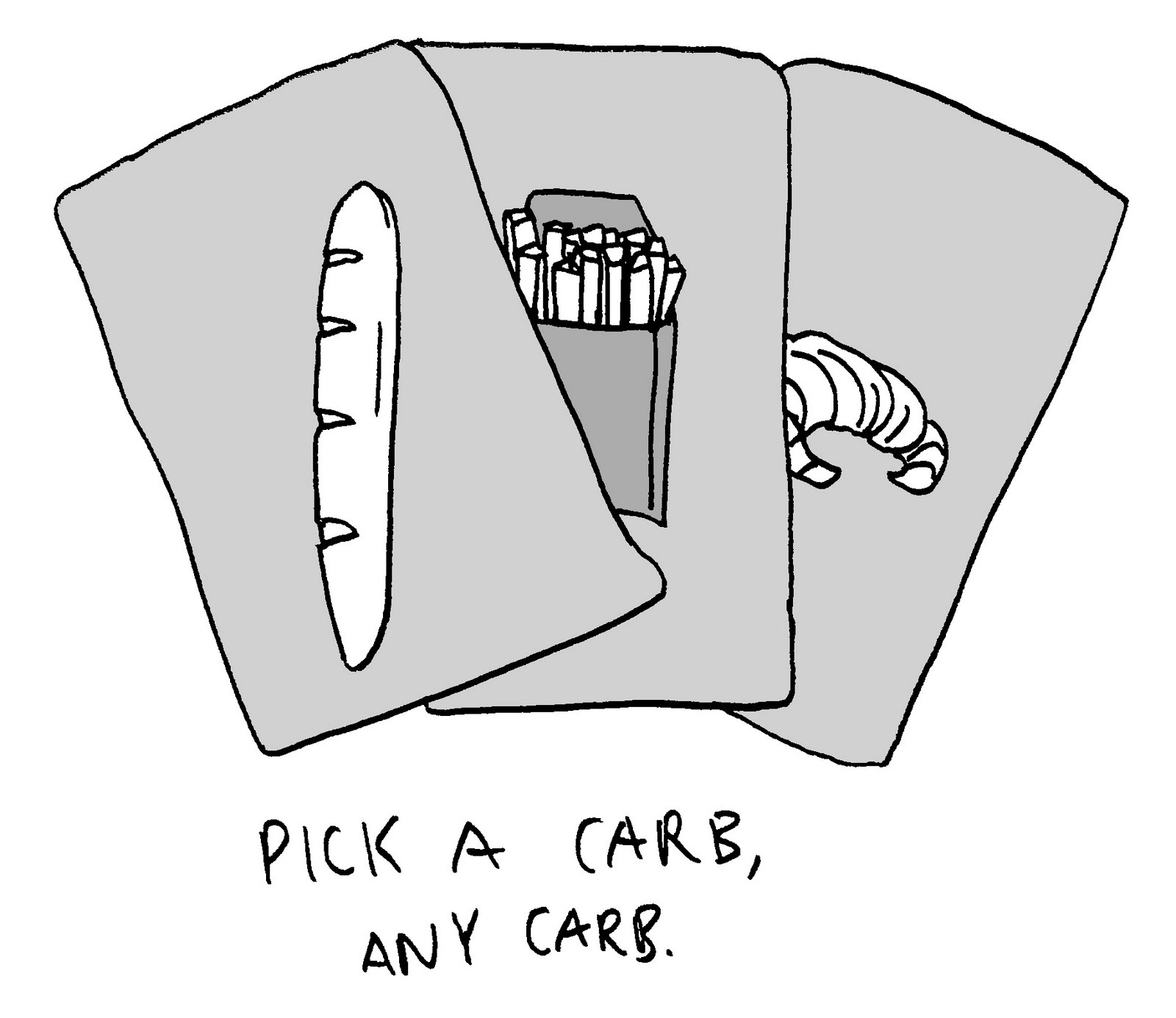
Many people assume that in order to lose weight, you need to ditch the carbs. Just not true. While I don't condone eating bread or pasta on a regular basis, you still need carbohydrates (for my paleo peeps, this comes in forms of sweet potatoes, fruits and veggies). The truth is, our bodies need carbs for energy, oxidation of fat, and protein sparing (so our body doesn't break down protein for energy). On average, adults need 50-100g of carbs daily to avoid ketosis. Well the typical Amercian takes in 200-300g daily. A bit too much.

So how do you figure out what to eat, and what not to eat? It's fairly simple. One, skip the breads. Opt for nutrient dense carbs such as sweet potatoes, fruit, brown rice, or quinoa. If you must have bread, at least turn to whole grains (sprouted grains are a great option) for the nutrients. If you've read my other posts, you'll see that refined grains like white bread actually deplete your body of nutrients, which you don't want. Your goal is to eat carbs with a low to medium glycemic index...this will maintain your blood sugar, keep you full longer, and can help lower your body fat levels overall.

Here's a quick "cheat sheet" to help you figure out some carbohydrates with high, medium, and low glycemic indexes:

High                                          Medium                                          Low
sugar                                         banana                                           apple
maple syrup                              grapes                                            cherries
bagels                                       oatmeal                                          chick-peas
honey                                       white rice                                       lentils (and most beans)
cereal                                        rye bread                                       dates
carrots                                      yams/sweet potatoes                     vegetables (other than roots)
potatoes                                    couscous                                       steel-cut oatmeal
raisins                                                                                             pasta (although it offers no nutrients)
bread
soda
sports drinks
chips
cakes/cookies/etc

So my opinion? Eat those carbs (especially if you're working out regularly), but keep the carbs to healthy, low glycemic options :)  Happy eating!

Sunday, March 9, 2014

21 Day Fix

Well, I've been a bit MIA lately due to my busy schedule, but I'm still working hard with my nutrition and fitness! Sadly I did NOT make it to day 30 of the Whole30...but I did make it to day 16 at least. I must say, it was brutal. However, it was a great experience and I believe I will do it a few times a year to reset my system and help me naturally detox from sugars, processed foods, etc.

So what am I doing now? 21 Day Fix baby!! This is Beachbody's newest program, and I've got to admit that I was quite hesitant to do it. For one, I HATE cardio and I thought that was what the program was focused around. Secondly, I thought the workouts would be easy and a waste of my time. Umm...slightly wrong on both accounts. While there is some cardio, each "move" is only 1min long, so it's doable for me. And, the workouts are certainly not easy. In fact, I was worn out before the minute mark on most haha.

Overall I'm pleasantly surprised with the program as a whole. The workouts have left me sore (hello inner thighs and outer butt cheeks) and the nutrition piece is phenomenal. As someone who considers them self a healthy eater, this is still teaching me quite a bit. The eating plan walks you through how many calories you should be consuming a day (and no, you won't have to count them), how many containers you are allowed each day, and what foods go into each container as well as some handy recipes. I've discovered in the last week (I'm on day 7 FYI) that I: a) drink too much coconut + almond milk, b) eat too many carbs (that one is NOT a shocker), and c) seriously need to get a grip on my sweet tooth. Is my goal to be a perfect eater? Heck no, I'm human. But I can certainly make improvements if I want to get closer to my fitness goals.

I want to add that this is not a diet. You are still eating throughout the day (macro ratios of 40/30/30 approximately) and will by no means be starving. This is meant to teach people portion control and the proper ratios of foods--too many people get minimal servings of fruits and veggies, and WAYYYYY too many carbs. Additionally, you are allowed to have some of your favorite cheats (cookies, wine, etc), but she limits them greatly since they really aren't necessary to our diets...in fact, they are depleting foods, so they actually do harm.

Well, I will keep you all posted! 2 more weeks to go :) My goals are to feel more energetic, reduce these darn sweet cravings, and maybe see some ab definition haha.

Thursday, February 27, 2014

Cleanses

It is estimated that "the average person is exposed to 100 synthetic chemicals daily." Even the healthiest of people are affected as chemicals are in the air, in your shampoo, lotions, cleaning products, foods, etc. While there is no way to eliminate these toxins, a cleanse can be a beneficial way to flush your system.

Different cleanses do different things of course, but in general, a cleanse that lasts just a few days is enough to improve digestion and reduce inflammation. Cleansing is nothing new- people have been doing this for centuries. Our ancestors used herbs, colonics and even sauna as a way to detoxify their bodies.

For many people, the first thing that comes to mind with cleanse is the awful (and terrible for you!) master cleanse which consists of cayenne pepper, lemon juice, maple syrup and water. Other people think a cleanse is a bottle of pills you purchase at the grocery store and choke down for twelve days. Regardless of the cleanses you've heard of or tried, cleanse can be a good thing...if done right.

There are multiple cleanses on the market, but there are also more natural, well-researched cleanses that you can do on your own. I would normally suggest speaking with your Dr prior to starting a drastic cleanse, but there are several that you can do at home without the supervision of a professional. My suggestion though, is to listen to your body. If you try one and feel weak or sick, stop the cleanse. While sometimes it is just your body killing the parasites, candida, etc., other times it is actually an illness due to the cleanse. Better to be safe than sorry.

Below are 3 different types of cleanses as well as some 'things to expect':

  • Fruit and vegetable cleanse- this one is simple. Eat JUST fruits and vegetables for a few days. This includes as many fruits and vegetables as you wish, as well as olive oil, salt, pepper and any herbs. The produce can be raw or cooked, made into smoothies, etc. The first 3 days you may notice headaches, skin blemishes or changes in your bowels, but that is just your body ridding itself of all the caffeine, sugar, and anything else you've consumed over the years. Make sure you drink lots of water and herbal teas (no caffeine!) to stay hydrated. I could personally only do this for a few days, but research shows that it's perfectly safe to do for up to 10 days. You'll just need to slowly reintroduce foods so you don't upset your system.
  • Vitamin C flush- you'll need to purchase powdered mineral ascorbate C (aka Vitamin C powder found at a health store). Vitamin C is known for aiding in detox as it neutralizes the effects of pollutants. The amount to take will vary by the person. Most should start with 5000mg daily, but others can go up to 15x that. To begin, drink 1/2 teaspoon of the powder with water or fruit juice, and repeat every 15 minutes until you have (sorry for the lack of better words) watery diarrhea. As soon as this occurs, stop taking the vitamin C. Doing this just once and a while can drastically improve energy, rebalance intestinal flora, and strengthen the immune system...just make sure you do it when you're not going anywhere that day, ha.
  • Beachbody Ultimate Reset- a 21 day program of all-natural supplements. This is not a quick cleanse as it lasts a full 21 days, but it does allow you to eat 3 meals a day (sorry, still no caffeine or crappy food) and provides a nutrition guide to walk you through the process. Because this is a longer cleanse, most would not experience side effects. You'll still need to drink lots of water to flush your system and prevent the ever impending headaches.
Happy cleansing!

(Lipski, Elizabeth. "Digestive Wellness: 4th ed." Mcgraw Hill, 2012.)

Sunday, February 23, 2014

Cooking Oil Myths and Truths

Last night before bed, we were watching TV and a commercial came on that caught my eye. Normally I pay no attention to ads, but my Yearbook class is studying advertising techniques, so maybe I'm just more aware of commercials at the moment. Anyhow, the ad was for Mazola corn oil. In a nutshell, they claimed that Mazola was "better" for you than olive oil. Wow. It's amazing what the media can falsify, and it saddens me because many people believe what they see...why would they think otherwise? Lets talk about corn oil for a minute...

First off, corn oil (and other vegetable oils) contain genetically modified organisms and are also highly processed, refined, and oxidized. The processing in an oil such as Mazola is ridiculous. These oils are degummed, bleached, heated, deodorized, filtered and saturates are removed to make the oils more "liquid." Of course by this time, all of the nutrients are gone and you are left with pesticides and toxins. Then, when you cook with polyunsaturated vegetable oils (such as canola or corn), oxidized cholesterol is introduced into your system and when mixed with oxygen, it goes rancid.

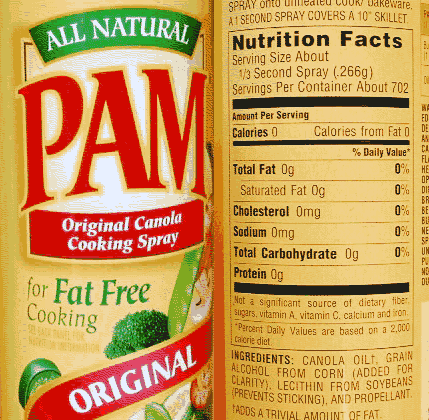
Unfortunately many people cook with vegetable oils on a regular basis, assuming that 'vegetable' makes it healthy, which is completely untrue. The same goes for Pam and similar cooking sprays. Even the sprays that claim they are olive oil or 100% natural. Have you ever read the side of one of these labels? Many list propellant, which, if you do your research, you'll realize is actually petroleum gas, propane, and butane. Others contain artificial (and unknown) ingredients. Do you really want that in your body?


So what can you cook with? Here are some healthy oils that are better alternatives:
-organic, unrefined coconut oil
-organic, extra virgin olive oil
-butter or ghee (NOT margarine)

If you need a 'spray,' buy a Misto (Bed, Bath, and Beyond or Amazon) that you can fill yourself, or put some oil on a paper towel and spread on your baking sheet. If you have any questions on the above 3 alternatives, I'd be happy to answer them!